 Fulham Hub
Fulham's 1990s Revival: The Transformation of a Football Club
The 1990s were not just another decade for Fulham FC; they were a critical turning point that would set the tone for the club's future. Emerging from the shadows of a tumultuous late 1980s, Fulham began a journey that would see them not just survive but thrive in the competitive landscape of English football. Under the stewardship of manager Ray Wilkins, the club made significant strides toward revitalization, both on and off the pitch.
In the early part of the decade, Fulham found themselves flirting with the specter of relegation, finishing precariously close to the drop zone in the Third Division. However, a line of decisive leadership and a renewed focus on youth development transformed the club’s fortunes. The arrival of Wilkins in 1991 ignited a spark, as he emphasized attacking football and brought a fresh perspective to the team's tactics. His vision began to bear fruit as the club secured a mid-table finish in the 1991-92 season, igniting hope among the fanbase that a brighter future lay ahead.
The 1996-97 season became a hallmark of Fulham's revival. With a mix of experienced players and promising talents, the Cottagers finished at the top of the Third Division, earning them a spot in the Second Division. This achievement marked the beginning of a remarkable ascent that would soon see them back in the top tiers of English football. Key players during this era included the likes of striker Geoff Horsfield and midfielder Paul Parker, who embodied the fighting spirit of Fulham and endeared themselves to the fans.
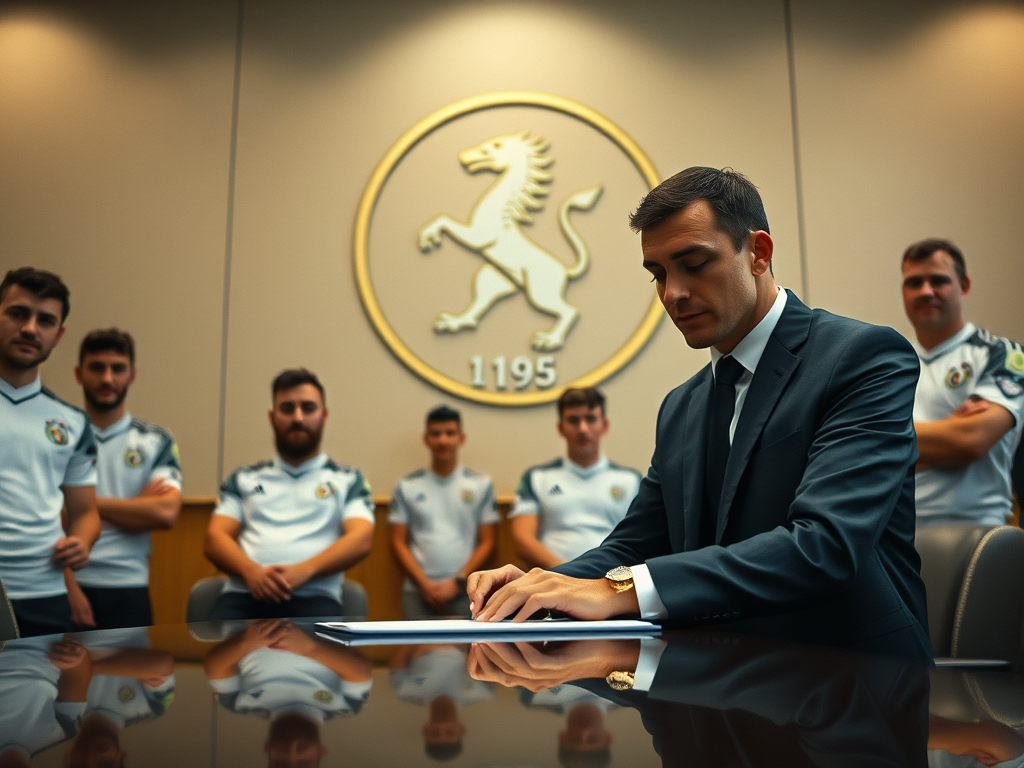
The club's identity was further solidified with the investment from Mohamed Al-Fayed, who acquired Fulham in 1997. His vision for the club aligned seamlessly with the aspirations of the supporters, as he sought not only to improve the team’s performance on the pitch but also to enhance the overall matchday experience at Craven Cottage. The development of the Riverside Stand, completed in 1999, marked a significant investment in the club's infrastructure, making it one of the most picturesque venues in football.
The culmination of this decade of transformation was the promotion to the Premier League in 2001, a moment that encapsulated the hard work and determination of everyone involved with the club. This achievement was not just about securing a place in the top flight; it symbolized the unity of players, management, and fans coming together after years of struggle. It was a testament to the resilience that Fulham fans had come to embody—a commitment to rise above adversity and reclaim their place in English football.
As we look back at this pivotal decade, it’s essential to recognize how the foundations laid during the 1990s continue to influence Fulham's ethos today. The spirit of that era—a blend of ambition, community, and a relentless pursuit of excellence—remains at the heart of the Cottagers’ identity. The lessons learned during this tumultuous yet transformative decade serve as a reminder that, even in the face of challenges, Fulham FC has always possessed the tenacity to rise again, a quality that we, as supporters, hold dear.
In the grand tapestry of Fulham's rich history, the 1990s stand out as a defining chapter—one of revival, hope, and the promise of a bright future. It’s a story that resonates with every fan who walks through the gates of Craven Cottage, reminding us all that the journey is just as significant as the destination.